Skip to content
HomeAt Splunk, that means pairing React product work with Python services, operational data, permissions, evaluation, and release controls. Earlier at Deloitte, I built extraction, storage, API, and visualization systems; two removed more than 36,000 hours of annual manual work and cut investment-processing time by 66%.WritingTechnical writing on software engineering, AI engineering, system design, and the trade-offs behind production systems.ProjectsA growing collection of systems and products I’ve built—from current infrastructure work to earlier projects that shaped how I build today.Abdul AhadI’m an AI full-stack engineer with more than five years of experience building data-intensive enterprise software and production AI systems. At Splunk, I drove AI Service and KPI Discovery from an early prototype through technical design, validation, and production delivery. The capability analyzes operational data and recommends service models and health signals within Splunk IT Service Intelligence.Let’s talk.If you’re hiring, building something interesting, or want to compare notes on a difficult engineering problem, send me a message. A few lines is plenty.ColophonHow this portfolio handles static publishing, search, contact delivery, analytics, and releases.Capacity Planning Before Architecture DiagramsA practical method for turning workload assumptions into request, storage, bandwidth, concurrency, and failure-capacity budgets before choosing an architecture.Design Modules Around Change, Not LayersA practical guide to information hiding, volatile decisions, coupling, cohesion, dependency direction, and avoiding abstractions that preserve the wrong boundaries.From Model Call to Reliable AI WorkflowHow one model request grows into retrieval, tools, deterministic workflows, agents, evaluation, observability, and human escalation.Queues, Backpressure, and Idempotency: Designing for FailureHow bounded queues, admission control, idempotency keys, retry budgets, and dead-letter handling turn asynchronous delivery into a controlled reliability system.Refactoring a Legacy Backend Without a Big-Bang RewriteA staged method for understanding, testing, isolating, replacing, observing, and finally deleting legacy backend behavior without one irreversible cutover.MCP in Production: Trust Boundaries, Permissions, and Tool DesignA production-focused guide to MCP hosts, clients, servers, capability discovery, authorization, consent, token audiences, and safely designed tools.How this portfolio worksA walkthrough of how an edit becomes a published page, what happens after someone presses Send, and how the site avoids losing or saving the same message twice.ThreadsPosts, nested replies, profiles, and communities share the same records. This follows one conversation from creation to deletion.Prompt NexusGoogle sign-in leads to a local user, then one saved prompt powers the feed, profile, search, and edit screens.SeedEditors publish articles in HyGraph, readers receive prepared pages, and new comments remain private until they are approved.CactaOne published video creates a media asset, a post record, and temporary browser state. This follows that upload across the product.System DesignCapacity, queues, failure handling, and distributed-system trade-offs.AI EngineeringLLM workflows, tools, evaluation, permissions, and operations.Software EngineeringModules, testing, refactoring, interfaces, and maintainability.System Design from First PrinciplesCapacity planning, queues, backpressure, retries, and failure handling.Production AI EngineeringModel calls, workflows, tools, evaluation, permissions, and operations.

Selected work

Projects

A growing collection of systems and products I’ve built—from current infrastructure work to earlier projects that shaped how I build today.

This collection only includes projects I can discuss openly. Work completed for current and previous employers is intentionally not included.

Featured system

A walkthrough of how an edit becomes a published page, what happens after someone presses Send, and how the site avoids losing or saving the same message twice.

  • Turned versioned content files into complete pages during deployment, with broken fields and relationships stopping the release.
  • Made the contact form acknowledge a reliable hand-off immediately, then optionally reveal an original, visitor-safe dispatch without making anyone wait.
  • Allowed temporary failures to retry without creating duplicate spreadsheet rows, while retaining exhausted work for inspection.
  • Next.js
  • React
  • TypeScript
  • Keystatic
  • Zod
  • Upstash Redis
  • QStash
  • Gemini
  • Vercel
Read the case study

Two-path architecture

Static reads. Durable messages.

operational

Publish

Build once

Keystatic → Zod → static pages, search, RSS, metadata

Contact

Finish durably

Redis → QStash → Gemini → idempotent persistence

PUBLIC READ
prebuilt
FORM RESPONSE
queue accepted
FAILURE PATH
retry + DLQ

From the archive

Earlier projects

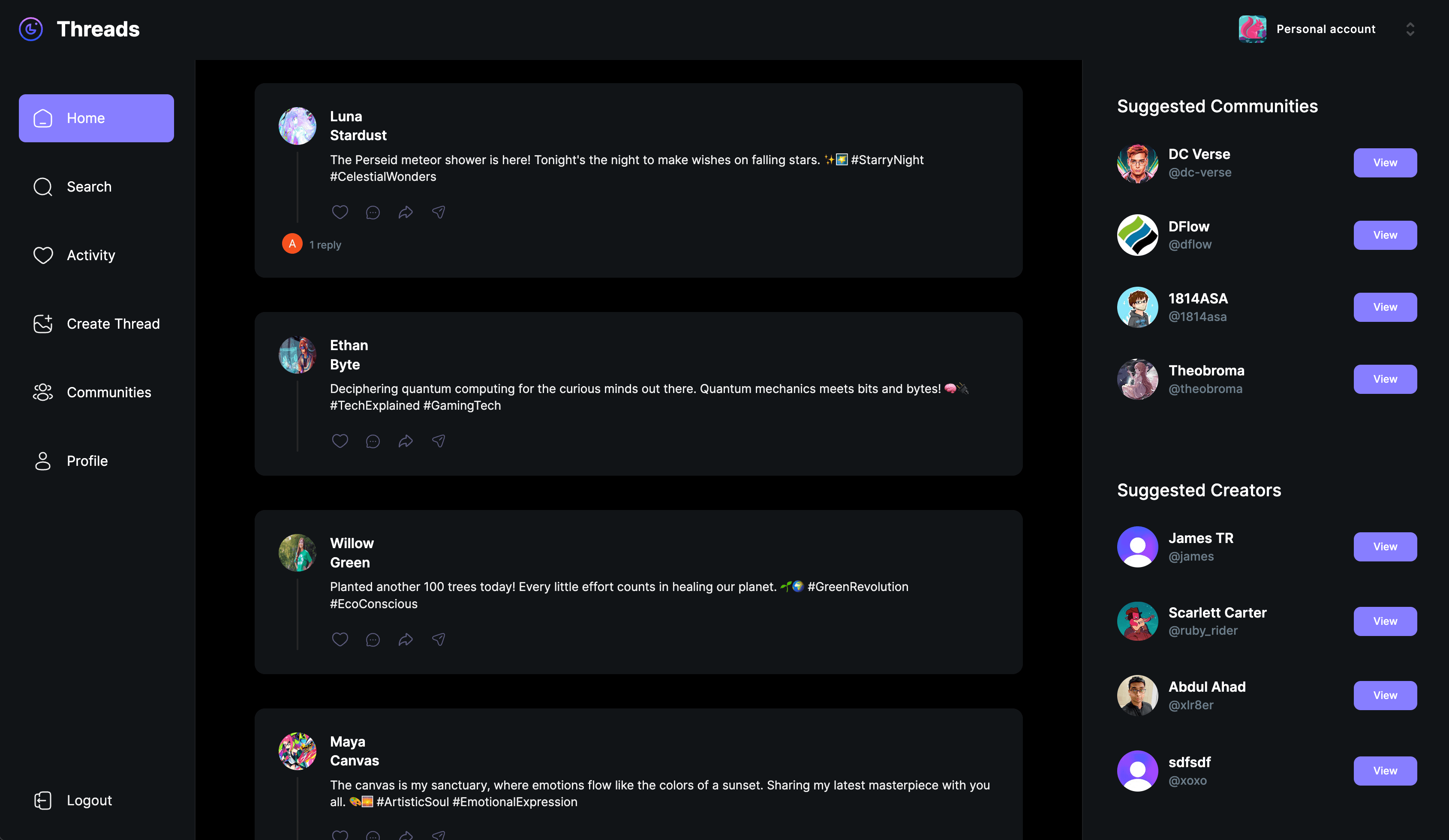
Threads discussion application interface
productPrevious work
2023

Threads

Posts, nested replies, profiles, and communities share the same records. This follows one conversation from creation to deletion.

  • TypeScript
  • Next.js
  • React
  • Tailwind CSS
  • MongoDB
View case study → GitHub
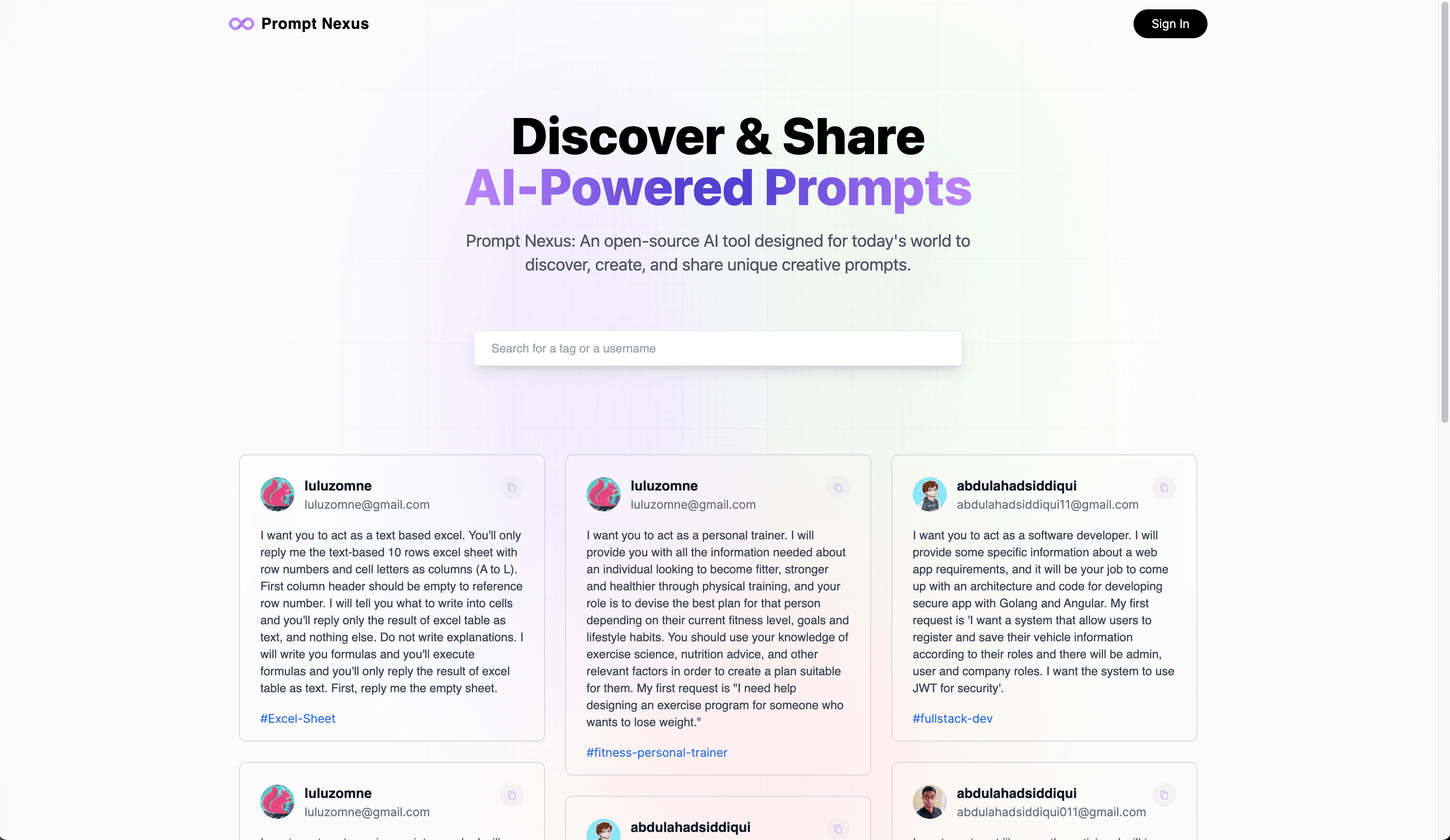
Prompt Nexus prompt directory interface
productPrevious work
2023

Prompt Nexus

Google sign-in leads to a local user, then one saved prompt powers the feed, profile, search, and edit screens.

  • JavaScript
  • Next.js
  • React
  • Tailwind CSS
  • MongoDB
View case study → GitHub Live demo
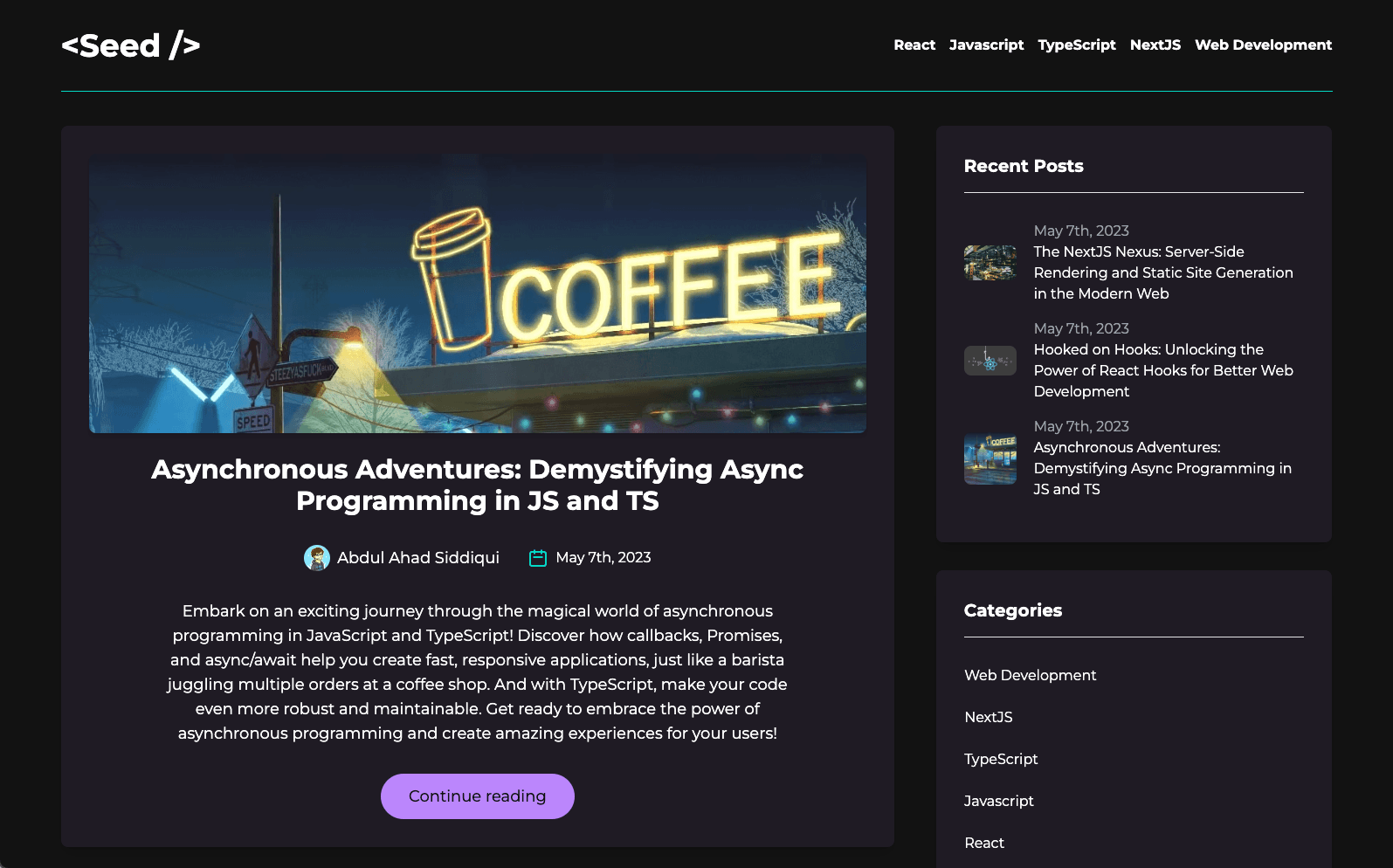
Seed publishing application interface
productPrevious work
2022

Seed

Editors publish articles in HyGraph, readers receive prepared pages, and new comments remain private until they are approved.

  • Next.js
  • React
  • TypeScript
  • Tailwind CSS
  • GraphQL
View case study → GitHub Live demo
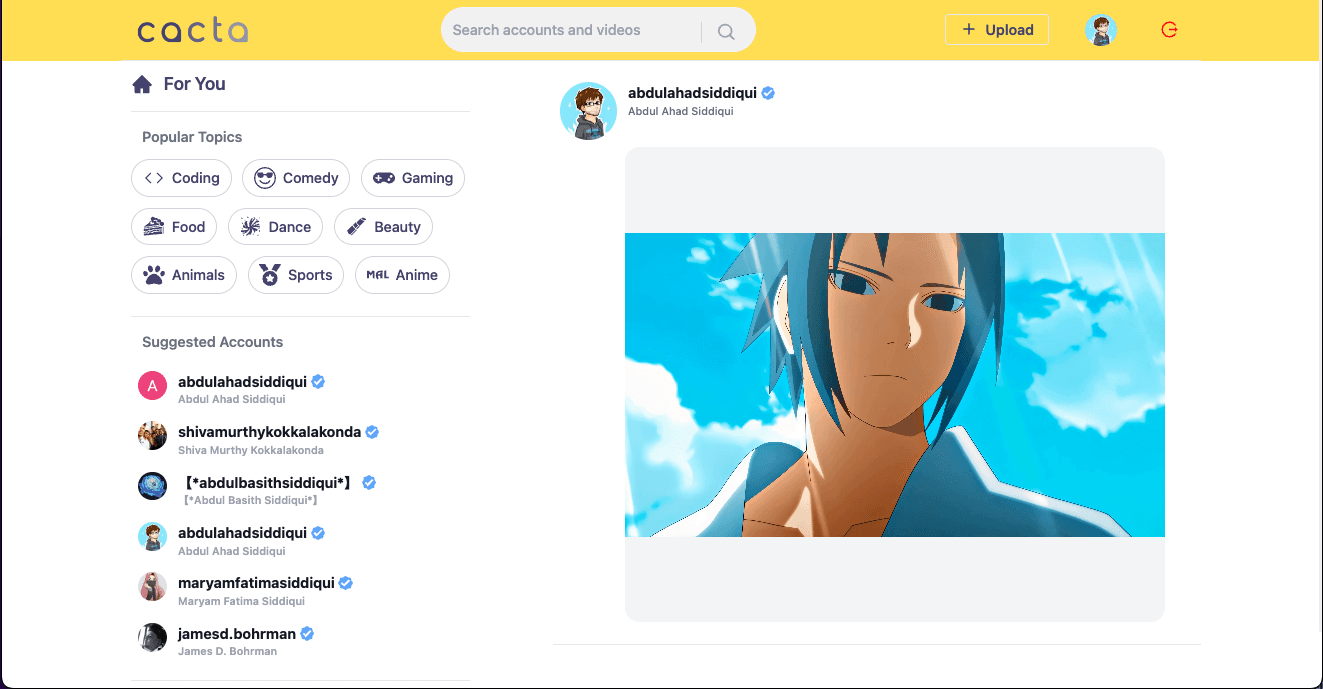
Cacta short-video application interface
productPrevious work
2022

Cacta

One published video creates a media asset, a post record, and temporary browser state. This follows that upload across the product.

  • Next.js
  • React
  • TypeScript
  • Tailwind CSS
  • Sanity
View case study → GitHub Live demo